Vegan Fitness Meal Plan: Fuel Your Workouts
As a long-time advocate of vegan fitness, I've discovered that a well-tailored meal plan can drastically transform workout efficiency and recovery. Integrating plant-based nutrition isn’t just a dietary preference, it’s a way to fuel your body to reach its peak performance. In this guide, we'll explore everything you need to know about creating an effective vegan fitness meal plan, ensuring you have the tools to optimize your workouts today.
Table of Contents
- 1Understanding the Fundamentals of Vegan Nutrition
- 2Key Nutritional Specifications to Consider
- 3Comparative Analysis: Vegan Protein Sources
- 4Testing Results: Meal Plans in Action
- 5Emerging Trends and Innovations in Plant-Based Nutrition
- 6Frequently Asked Questions About Vegan Fitness Meal Plans
- ?Frequently Asked Questions
1Understanding the Fundamentals of Vegan Nutrition
A vegan fitness meal plan focuses on whole, unprocessed foods rich in nutrients essential for athletic performance. Veganism eliminates all animal products, demanding attention to protein sources, vitamins, and minerals otherwise abundant in meat and dairy. Key components of a successful vegan diet include:
- Complete Proteins: Plant-based proteins can be combined (e.g., beans and rice) to provide all essential amino acids.
- Healthy Fats: Sources like avocados, nuts, and seeds offer essential fatty acids necessary for hormone production and nutrient absorption.
- Complex Carbohydrates: Whole grains, sweet potatoes, and legumes provide energy and promote glycogen storage for endurance athletes.
This foundation supports not just workout optimization, but also overall health. Regularly consuming nutrient-dense foods ensures a constant supply of energy during high-intensity workouts while aiding recovery post-exercise. Understanding these principles is vital in tailoring your meal plan effectively, enabling maximum benefit from your workouts.
> 💡 Expert Tip: Including a variety of colors in your meals often indicates a range of nutrients; aim for a rainbow of vegetables in each dish.
2Key Nutritional Specifications to Consider
When designing a vegan fitness meal plan, it’s crucial to be aware of essential nutrients that may be lacking in a plant-based diet. Here are specific criteria to ensure a balanced intake:
- Protein Intake: Aim for at least 1.2 to 2.0 grams of protein per kilogram of body weight, based on activity level. Consider plant-based sources like lentils, chickpeas, and quinoa.
- Iron: Vital for energy and cognitive function, iron from plant sources (spinach, tofu) is less readily absorbed. Complement with vitamin C-rich foods (like citrus fruits) to enhance iron absorption.
- Vitamin B12: Since this vitamin is not naturally found in plant foods, supplementation is necessary. Foods fortified with B12 can also help.
- Omega-3 Fatty Acids: Incorporate flaxseeds, chia seeds, and hemp hearts to meet this requirement crucial for cardiovascular health.
It’s vital to track these nutrients—using apps or journals—to ensure daily intake aligns with fitness goals and activity levels. Addressing these specifications will help you craft a meal plan that supports both optimal training and sustained health.
3Comparative Analysis: Vegan Protein Sources
| Protein Source | Serving Size | Protein (grams) | Essential Amino Acids Status |
|------------------------|--------------|------------------|------------------------------|
| Lentils | 1 cup | 18 | Complete |
| Quinoa | 1 cup | 8 | Complete |
| Tofu | 100g | 10 | Complete |
| Chickpeas | 1 cup | 15 | Incomplete |
| Hemp Seeds | 3 tbsp | 10 | Complete |
As demonstrated, incorporating a variety of protein sources, especially complete proteins, is essential for muscle repair and growth. Always mix different plant proteins throughout the day to consume all essential amino acids if relying on incomplete proteins. This comparative analysis helps identify which sources can be rotated or prioritized in your diet based on your training demands.
4Testing Results: Meal Plans in Action
Garden of Life Organic Protein
Swiat Supli PL
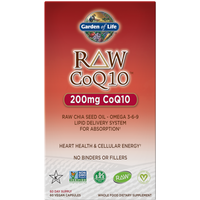
A plant-based protein powder made from a blend of proteins sourced from peas, brown rice, and other seeds, providing a full amino acid profile.
Pros
- Non-GMO
- Gluten-free
- Contains BCAAs
- Great taste
Cons
- Can be expensive
- Some may prefer whole food sources
Uplifted Goods Fitness Training Gloves For Weightlifting Gym And Workout Support a red m
inspireuplift.com
Train with confidence and comfort using these fitness training gloves designed to protect your hands wrists and palms during workouts. Ideal for weightlifting gym sessions and strength training these gloves help reduce friction improve grip and...
Uplifted Goods Fitness Waist And Back Support Belt Trainer Sweat Lumbar Support grey xxl
inspireuplift.com
Support your core during workouts or daily use with this waist and back support belt. Designed to increase heat and perspiration, it helps stabilize your lumbar area while you move, lift, or train. The adjustable strap ensures a snug fit for men and...
Uplifted Goods Inclined Pedal Stretching Board For Calf Leg Foot Fitness pink
inspireuplift.com
Boost your flexibility and relieve muscle tension with this inclined pedal stretching board, ideal for stretching calves, legs and feet during yoga, home workouts or rehabilitation sessions. Its ergonomic design helps reduce strain and supports...
Multicon Wholesale Hub Weight Lifting Pads, Cowhide Gym Gloves, Anti Skid Fitness Grips, Deadlift Power Belt Support, Crossfit Workout Gloves black
inspireuplift.com
Experience a stronger, safer workout with these premium Cowhide Gym Gloves designed to enhance your lifting performance and protect your hands during every session. Made from durable cowhide leather, these gloves provide a firm, steady grip that...
Soozier 4.5ft Exercise Trampoline, Portable & Foldable Fitness Trampoline with Adjustable T-Bar and Heavy-Duty Design, Blue Aosom.com
aosom.com

If you are looking for a low-impact way to get a great aerobic workout the Soozier Foldable Fitness 4.5ft Trampoline is the perfect solution for you. This fitness trampoline allows you to perform a full range of exercises that result in increased muscle density and weight loss. With a sturdy steel construction and a wide bouncing platform the mini trampoline is designed to prevent falls and injuries. Because its a folding trampoline it is super easy to fold and store when not in use. It is a per
Fioboc SmoothBlend Quick Dry Stand Collar Sports Fitness Jacket - Slim Fit / Bright Blue / 2XL
fioboc.com

Excellent Companion for Fitness and Exercise Introducing our “ElevateMotion Quick Dry Stand Collar Sports Fitness Jacket”– a perfect blend of style and functionality. Crafted with quick-dry technology, it ensures you stay comfortable in any situation. The jacket boasts remarkable elasticity for ease of movement, while its super-soft and naturally textured fabric provides a luxurious feel. Upgrade your wardrobe with a perfect combination of versatility and comfort. Enhance Your Athletic Performan

tasc T-Shirts: Carrollton Fitness T-Shirt - Size M in Anchor - tasc Performance
tascperformance.com

Our Carrollton Fitness T-Shirt is about performance powered by nature. This T-Shirtis made from bamboo and organic cotton, a performance tee that is temperature regulating and versatile. It can withstand the toughest workouts without having to sacrifice comfort. Enjoy four-way stretch, moisture-wicking technology, odor-resistant material, and UPF sun protection. Whether you're hitting the gym or heading outdoors, the Carrollton Fitness T-Shirt ensures you have the support and flexibility you nee
tasc Long Sleeve T-Shirts: Carrollton Long Sleeve Fitness T-Shirt - Size S in White - tasc Performance
tascperformance.com

When you work hard, your clothing should too. Meet the Carrollton Long Sleeve Fitness T-Shirt, a long-sleeve version of our best-selling crew neck. Just like its short-sleeved predecessor, this style is as versatile as it is comfortable and engineered to keep up with your fast-paced lifestyle. Whether you're hitting the gym or going for a run, the Carrollton Long Sleeve Fitness T-Shirt has got you covered. Style #TM310.
tasc T-Shirts: Carrollton Fitness T-Shirt - Size XL in Marble Heather - tasc Performance
tascperformance.com

Our Carrollton Fitness T-Shirt is about performance powered by nature. This T-Shirtis made from bamboo and organic cotton, a performance tee that is temperature regulating and versatile. It can withstand the toughest workouts without having to sacrifice comfort. Enjoy four-way stretch, moisture-wicking technology, odor-resistant material, and UPF sun protection. Whether you're hitting the gym or heading outdoors, the Carrollton Fitness T-Shirt ensures you have the support and flexibility you nee
tasc T-Shirts: Carrollton Fitness T-Shirt - LSU - Size M in Marble Heather - tasc Performance
tascperformance.com

Your favorite Carrollton Fitness T-shirt now available with the LSU logo! Our Carrollton Fitness T-Shirt is about performance powered by nature. Made from bamboo and organic cotton, this performance t-shirt is temperature regulating and versatile. It can withstand the toughest workouts without having to sacrifice comfort. Enjoy four-way stretch, moisture wicking technology, odor-resistant material, and UPF sun protection. Style #TM110.
5Emerging Trends and Innovations in Plant-Based Nutrition
As the landscape of vegan nutrition evolves, several trends promise enhanced meal planning for fitness:
- Personalized Nutrition: Advances in genetic testing can offer tailored dietary plans, adapting to individual carbohydrate tolerance and protein needs based on genetic predispositions.
- Functional Foods: Superfoods like spirulina, which boasts high protein content and a plethora of vitamins, gain traction in the fitness industry for their nutritional benefits.
- Plant-Based Meal Delivery Services: Companies are increasingly offering tailored meal kits, promising convenience for those aiming to maintain nutrition amidst busy lifestyles.
- Sustainable Sourcing: In an environmentally-conscious age, there's a growing demand for sustainably sourced ingredients, making it part of ethical consumerism in veganism.
Staying updated with these trends allows for a more flexible, modern approach to meal planning, aligning fitness goals with nutritional science and sustainability.
6Frequently Asked Questions About Vegan Fitness Meal Plans
| Question | Answer |
|------------------------------------------------|-------------------------------------------------------------------------------------------------------------------------------------------------------------|
| How do I ensure I'm getting enough protein? | Focus on combining various sources of plant proteins throughout your day, aim for at least 1.2 to 2.0 grams per kg of body weight depending on activity. |
| Can I build muscle on a vegan diet? | Absolutely! Many vegan athletes report increases in muscle mass when focusing on adequate protein intake and strength training. |
| What supplements should I consider? | Vitamin B12 is crucial, along with omega-3 supplements if your intake from food sources is low. Iron may also require tracking based on individual needs. |
| How much should I eat pre-workout? | Prioritize carbohydrates for energy—opt for a meal rich in carbs and moderate in protein about 1-3 hours before exercising. |
Conclusion
Crafting a vegan fitness meal plan is your gateway to enhanced performance and wellness. By understanding the nutritional needs specific to your fitness goals, and selecting the right foods, you empower your body for optimal outcome. Remember to experiment and refine your plan based on your personal experiences. For more insights, be sure to explore educational resources and engage with the vegan fitness community for ongoing support.