Debunking Common Vegan Myths: What You Should Know
As someone who has navigated the world of veganism for several years, I've encountered plenty of misconceptions that can mislead even the most well-intentioned buyers. Whether you're exploring vegan products for health, environmental concerns, or ethical reasons, understanding these common myths is crucial to making informed purchasing decisions. Let’s unravel the truth behind popular beliefs in veganism, helping you avoid errors that could lead to wasted money and missed opportunities.
Table of Contents
1Common Purchasing Mistakes to Avoid
When venturing into the vegan market, many newcomers stumble upon several misconceptions that can lead to poor purchasing decisions. One prevalent mistake is assuming that all vegan products are healthy. For instance, items labeled as 'vegan' can often be processed and high in sugars or unhealthy fats.
Another common error is not considering the ingredients list. Many shoppers may look for a vegan label but overlook additives and fillers that may not align with their ethical or dietary choices. Furthermore, individuals often fall for the allure of fancy packaging, assuming that more expensive items are always better quality. However, this isn't always the case.
By generally ignoring these factors, you might end up spending more on less nutritious or inappropriate products. Thus, it's essential to approach vegan shopping with a critical eye, being aware of these pitfalls to enhance your shopping experience and make better financial choices.
2Misleading Criteria That Waste Your Money
In the world of vegan products, marketing strategies can leverage misleading criteria that lead consumers astray. For instance, some brands highlight their 'natural' ingredients, but this term is often vague and unregulated. A product can be labeled as natural and still contain additives that are far from beneficial.
Additionally, buzzwords like 'gluten-free' or 'non-GMO' attract attention but do not guarantee a product is healthy or suitable for all vegans. It's vital to realize these labels often target health-conscious consumers without truly reflecting the product’s nutritional value.
Furthermore, the price tag doesn’t always correlate with quality. Products marketed as premium vegan foods can often be just as processed as their cheaper counterparts. By recognizing these deceptive marketing tactics, you're more equipped to make informed choices and avoid unnecessary expenditures.
3Essential Criteria to Consider When Shopping
When navigating vegan products, it's critical to focus on several genuine criteria that will determine the value and suitability of your purchases. Firstly, always examine the ingredients list meticulously; aim for products that contain whole food ingredients and minimal additives. A great rule of thumb is if you can’t pronounce an ingredient, it might be best to avoid it.
Second, consider nutritional content. Look for products high in protein, healthy fats, and fiber while being low in sugars and unhealthy fats. This is particularly important as many processed vegan foods can contain excessive sodium and sugars.
Also, supporting brands that are transparent about their sourcing and manufacturing processes can help ensure that your purchase aligns with ethical values. Look for certifications from recognized organizations such as the Vegan Society.
Finally, when in doubt, consult reviews and trusted vegan product lists to gauge the quality and value of a product before investing your money.
4Verified Product Recommendations
Nutritional Yeast
DocMorris FR (ex DoctiPharma FR)
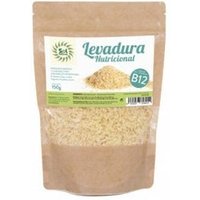
A cheesy-flavored seasoning packed with B vitamins, perfect for meals.
Pros
- High in B vitamins
- Versatile use in cooking
Cons
- Taste may not appeal to everyone
5Your Buying Checklist Before Making a Purchase
- [ ] Research the brand’s reputation and values.
- [ ] Check the ingredients list for whole food content.
- [ ] Look for certifications (e.g., Vegan Society).
- [ ] Read customer reviews for better insights.
- [ ] Compare prices to ensure you're getting a fair deal.
- [ ] Check for allergen information if necessary.
- [ ] Be cautious of hype and marketing claims.
- [ ] Assess nutritional value against your dietary needs.
Conclusion
Navigating the world of vegan products doesn't have to be daunting. By debunking common myths and understanding what to look for, you can make purchases that align with your values and budget. Remember to rely on trusted sources and seek reputable brands. If you found this guide helpful, don’t hesitate to explore more about vegan products and share this information with others seeking a similar path!